
Services
Full-service residential and commercial lawn care throughout Gerrardstown and western Berkeley County. All applications by WV Department of Agriculture licensed, insured technicians.
Explore each service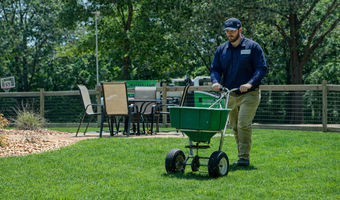
Lawn Fertilization
Custom-blended nutrient programs timed to your turf's seasonal cycle — keeping your lawn dense, green, and thriving year-round.
Learn More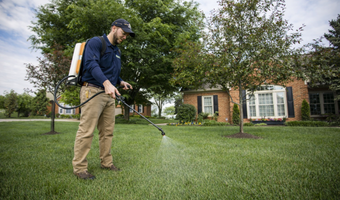
Lawn Pest Control
Targeted IPM treatments for grubs, chinch bugs, armyworms, and other turf destroyers — effective on pests, gentle on your family.
Learn More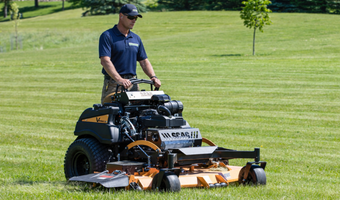
Mowing & Edging
Crisp cuts at the correct height, sharp edges, and thorough cleanup every visit. Consistent scheduling keeps your curb appeal razor-sharp.
Learn More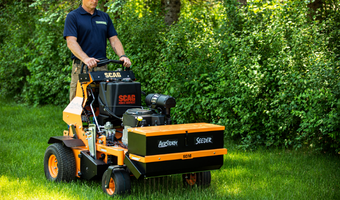
Seeding & Aeration
Core aeration breaks compaction so water and nutrients reach roots. Paired with overseeding, it's the foundation of a thick, healthy lawn.
Learn More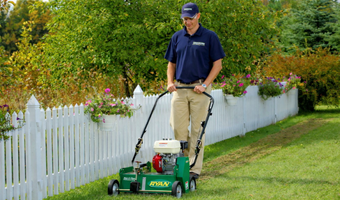
Dethatching
Remove the layer of dead grass suffocating your turf. Dethatching restores airflow so treatments penetrate where they matter most.
Learn More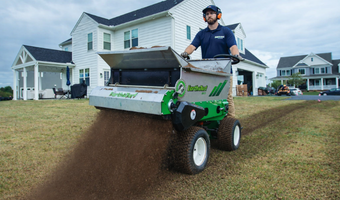
Topdressing
A fine compost blend improves drainage, levels uneven surfaces, and enriches soil biology for long-term turf health.
Learn More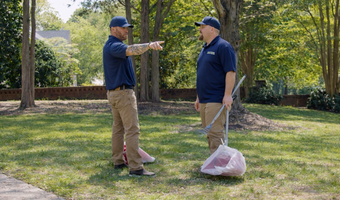
Pet Waste Removal
Scooping keeps your lawn safe and enjoyable for the whole family. We handle the dirty work — you enjoy the yard.
Learn MoreNot sure which service fits your lawn?
Our technicians assess your property and recommend the right plan — honest advice, no upselling, just results.
We Know Western Berkeley County Turf.
Gerrardstown occupies the western edge of Berkeley County — bounded by the Sleepy Creek Mountain ridgeline to the west and the broader Opequon watershed to the east. It's one of the most authentically rural communities in the Eastern Panhandle, where agricultural land use, larger lot sizes, and genuine open-country character define the landscape. The soils here reflect decades of pasture and farmland use — heavier in clay content in the valley floor, shallower and more gravelly on the hillside transitions toward Sleepy Creek.
Gerrardstown is at the western edge of our service territory but firmly within it. We're licensed to work in West Virginia, we know Berkeley County's varied terrain, and we bring the same level of service to every property here that we deliver across the Valley.
Gerrardstown Lawn Challenges We Solve
-
Heavy Clay Valley Floor SoilsGerrardstown's valley-floor properties often sit on dense clay that compacts quickly, drains slowly, and creates waterlogging after heavy rain. Core aeration is the essential first step in managing these conditions.
-
Pasture-Conversion Weed PressureLawns established on former pasture in Gerrardstown often struggle with persistent native grasses, nutsedge, and broadleaf weeds that were established in the soil seed bank long before the property changed use. Dense, healthy fescue turf is the best long-term suppression strategy.
-
Hillside Erosion Near Sleepy Creek RidgeProperties on the slopes transitioning toward Sleepy Creek Mountain experience significant erosion pressure. Strategic overseeding, straw matting on bare patches, and topdressing rebuild vegetative cover on these challenging gradients.
-
Mole & Vole Turf DisruptionRural Gerrardstown properties frequently deal with mole and vole activity that disrupts turf root systems and creates unsightly surface tunneling. Integrated pest management and proper grub control remove the food source that draws them in.
Real Results from
Real Valley Lawns.
Drag the slider to compare before-and-after on a recent full-season restoration project in Winchester, VA.
This property received our Standard seasonal program: fertilization, mowing & edging, dethatching, core aeration and overseeding. The transformation speaks for itself.
Start Your Transformation← Drag to compare →
Why Gerrardstown Chooses Us
Properly WV Licensed
Every applicator working in Gerrardstown holds a West Virginia Department of Agriculture license for pesticide and fertilizer application. We carry full liability insurance. Documentation available on request — we're proud to show it.
Rural Western Berkeley Knowledge
We understand the specific character of Gerrardstown's western corridor — the clay valley floors, the Sleepy Creek ridge transitions, the pasture-conversion challenges. We don't apply a generic program to a genuinely non-generic landscape.
Veteran Precision
Military-grade discipline defines every Gerrardstown job we take on. Planned, executed, and inspected to a standard that consistently outperforms what the competition delivers in this part of Berkeley County.
Large Rural Lot Experience
Gerrardstown's properties tend to be larger than eastern Berkeley County's subdivisions. We have the equipment, experience, and practical knowledge to work comfortably on bigger parcels, sloped terrain, and properties with varied turf conditions across the lot.
No Contracts. No Pressure.
One-time core aeration or a full seasonal program — you decide. We build loyalty through consistent results, not binding agreements. Gerrardstown customers stay with us because the work speaks for itself every season.
5-Star Rated
Perfect 5-star Google rating maintained since our founding. Our Eastern Panhandle customers refer us to neighbors consistently — because when we make a promise, we keep it on every single visit.
How It Works
From your first call to a beautiful lawn — here's what to expect.
Drag to explore each stepCall, text, or fill out our online form. Tell us about your property and what you're looking for.
We visit your property, evaluate soil and turf condition, and identify any specific challenges.
We build a tailored service schedule — right treatments, right timing — designed specifically for your turf type.
Certified technicians arrive on schedule, execute the plan with precision, and clean up before leaving.
Watch your property transform season after season. Sit back, relax, and let us handle the hard work.
Frequently Asked Questions
Answers to questions we hear most from Gerrardstown homeowners and western Berkeley County rural property owners.
Real Results. Real Reviews.
"Shenandoah Edge completely transformed our lawn. After two seasons, our yard is the envy of the neighborhood. They do exactly what they promise."
"As a commercial property manager, reliability is everything. These guys show up on time, every time. The grounds look professional and our tenants have noticed."
"Love supporting a veteran-owned business — and the quality backs it up. My grass has never been this thick and green. Pet waste removal is a huge bonus too!"
"After two summers fighting grubs, one season of their pest program solved it completely. Professional, knowledgeable team that clearly knows their stuff."
"Fair pricing, honest assessment, measurable results. They only recommended what my lawn actually needed. I appreciate that integrity — zero upselling."
"Switched from a national chain and the difference is night and day. Local knowledge matters — they know exactly what Shenandoah Valley soil needs."
Happy with our service? Help your neighbors find us!
Leave a Google ReviewSeasonal Lawn Care Calendar
The Shenandoah Valley has four distinct seasons — your lawn care should match every one of them.
Spring
March – May- Lawn cleanup & debris removal
- Pre-emergent weed control
- First fertilization application
- Mowing season kickoff
- Pest monitoring begins
Summer
June – August- Regular mowing & edging
- Grub & insect control
- Spot weed treatments
- Heat stress monitoring
- Deep & infrequent watering
Fall
September – November- Core aeration service
- Overseeding & topdressing
- Dethatching
- Fall fertilization
- Pre-winter weed treatment
Winter
December – February- Clear leaves/debris
- Equipment maintenance
- Minimize foot/vehicle traffic
- Soil testing & analysis
- Next-season plan preparation